Monthly car-cost calculator
Replace the sample figures with an all-in purchase price, a realistic net exit value and your own running costs.
Planning estimate only. It excludes loan interest, opportunity cost and unusual repairs. If your exit value is a projected sale price, do not add PARF or unused-COE rebates again.
A useful way through this page
- Start with the all-in vehicle price and the exact COE/registration cohort.
- Estimate a net exit value without adding the same rebate twice.
- Add running and finance costs, then test more than one resale scenario.
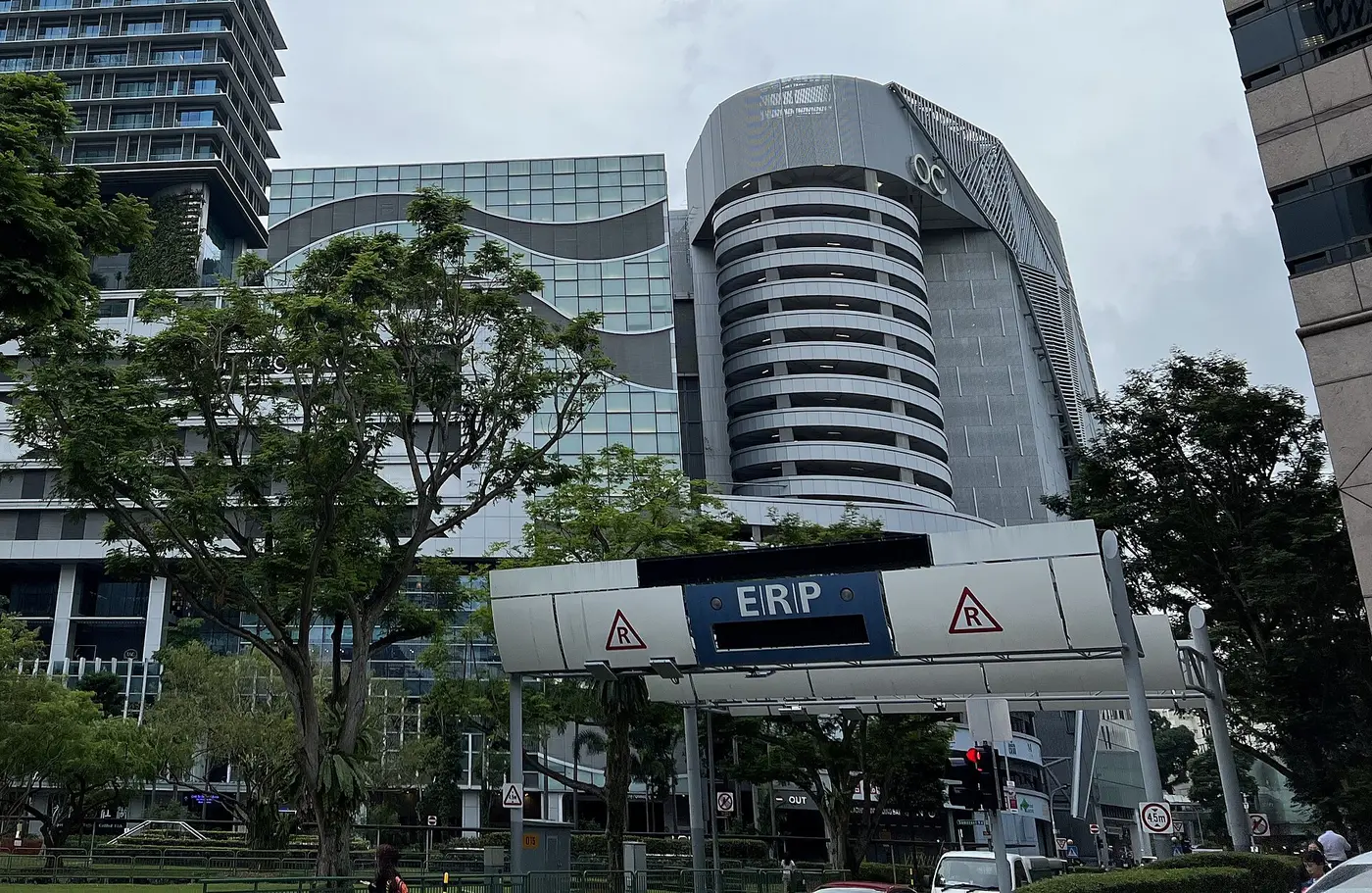

Start with one decisive question: how much of the car’s value will be lost while you own it? In the sample below, S$160,000 in and S$70,000 out after five years means S$1,500 a month before the car moves. Road tax, insurance, energy, parking, ERP and repairs sit on top. That is why an instalment is not the ownership cost.
Most recent COE result checked 3 September 2026
The most recent completed result in the official dataset at the check date was the second August 2026 exercise. A Quota Premium is the clearing price for one bidding exercise, not the full price of a vehicle. Used-car prices normally already reflect the remaining COE.
| COE category | Aug 2026, exercise 2 | Quota | Bids received |
|---|---|---|---|
| A | S$128,501 | 1,197 | 1,600 |
| B | S$131,001 | 936 | 1,316 |
| C | S$90,002 | 306 | 446 |
| D | S$11,301 | 512 | 686 |
| E | S$135,000 | 254 | 467 |
Category key: A covers cars within the current power limits (including the separate non-EV engine-capacity test); B covers cars above those limits; C is goods vehicles and buses; D is motorcycles; E is open except for motorcycles. Definitions can change, so classify a vehicle on LTA’s current page rather than its model name alone.
Recent Category A and B history
| Exercise | Category A | Category B |
|---|---|---|
| Jun 2026, first | S$126,009 | S$126,989 |
| Jun 2026, second | S$123,847 | S$123,502 |
| Jul 2026, first | S$129,000 | S$130,889 |
| Jul 2026, second | S$126,000 | S$129,890 |
| Aug 2026, first | S$123,890 | S$129,910 |
| Aug 2026, second | S$128,501 | S$131,001 |
Source: LTA COE bidding results on data.gov.sg, accessed 3 September 2026. Category definitions and long historical comparisons must account for rule changes. Use LTA’s current category and bidding explanation.
Cost methodology: the complete formula
Purchase-related cost − net sale or deregistration proceeds + financing cost + all running costs.
Divide that total by the number of months you expect to own the car. Keep the assumptions visible: the result is only as useful as the purchase price, exit value and usage estimates put into it.
| Cost | How to treat it |
|---|---|
| Purchase price | Use the actual all-in amount and confirm whether COE, taxes, fees and mandatory extras are included. |
| Depreciation | Purchase-related cost less the net amount expected when the car is sold or deregistered. |
| Road tax and insurance | Use the vehicle-specific official amount and a quotation for the actual driver. |
| Fuel or charging | Use expected distance, real-world efficiency and an editable unit price. |
| Parking and ERP | Build the estimate from the locations, routes and times you actually use. |
| Finance | For economic cost, add interest and fees. Do not add the full instalment to depreciation. |
Start with the all-in purchase price
For a new car, ask for an itemised quotation showing the vehicle, dealer margin, COE, registration fee, Additional Registration Fee (ARF), any emissions rebate or surcharge, road tax, accessories and administrative charges. Singapore’s ARF is tiered by Open Market Value; the bands and rates should be checked in LTA’s current vehicle tax structure.
Do not add COE and ARF to an advertised on-the-road price when they are already included. For a used car, start with the transaction price plus costs actually payable by the buyer. Its remaining COE and potential rebates are normally already reflected in its market value.
How COE affects the calculation
A COE generally gives a vehicle the right to be used for ten years. New COEs are allocated through bidding, normally twice each month. The clearing price changes between exercises, so the latest result above is labelled with its exercise and date rather than presented as a permanent current price.
If a car is sold before COE expiry, the remaining entitlement contributes to its resale value. If it is deregistered early, an unused-COE rebate may apply. At expiry, the owner can deregister the vehicle or renew by paying the Prevailing Quota Premium (PQP), which is based on recent bidding results rather than only the latest result.
PARF, COE rebates and exit value
The Preferential Additional Registration Fee rebate may be available when an eligible car is deregistered no more than ten years after its original registration. It is calculated from the ARF actually paid, not the selling price.
For ordinary cars registered using COEs obtained from the second bidding exercise in February 2026 onward, the PARF schedule runs from 30% of net ARF for a car no more than five years old down to 5% when it is more than nine but no more than ten years old. The cap for that cohort is S$30,000. Earlier registration cohorts can follow materially different percentages and caps.
Do not apply the newest PARF table to every used car. Confirm the original registration details, the relevant COE exercise, net ARF paid and vehicle-specific rebate in OneMotoring.
A projected sale price will normally already reflect the car’s remaining COE and rebate value. Adding PARF and a COE rebate on top of that price would count the same value twice.
Depreciation: use an exit scenario
A listing-style estimate is (purchase price − assumed residual value) ÷ remaining ownership years. It is useful only when the residual value and time period are clear.
For personal budgeting, calculate expected monthly depreciation using the amount you genuinely expect to retain after selling or deregistering. Run a lower, base and higher exit-value scenario. Resale demand, condition, mileage, future COE prices and transaction costs can all change the actual result.
Road tax, energy, parking, ERP and insurance
Road tax
Road tax depends on the vehicle’s specifications and powertrain. Petrol cars are assessed by engine capacity. Petrol-electric cars are tested under both the engine-capacity and motor-power calculations, with the higher amount applying. Electric cars use motor power and an additional flat component. Older cars also attract an age surcharge. Use LTA’s vehicle-specific figure instead of inferring the tax from a model name.
Fuel or charging
For petrol, calculate annual distance ÷ real-world kilometres per litre × price per litre. For an EV, use annual distance × kWh per 100 km ÷ 100 × the blended price per kWh. Retail prices and charging arrangements change, which is why the calculator treats energy as an editable input.
Parking and ERP
Add home season parking, workplace parking, regular destinations and occasional sessions separately. ERP is equally personal: estimate the charge for the route and time multiplied by the number of charged trips. A national average is less useful than three months of the driver’s own transactions.
Insurance, maintenance and finance
Insurance depends on the vehicle, driver, cover, excess and claims history. Maintenance should include servicing, tyres, inspections and a repair allowance. For a cash-flow view, show the instalment; for an economic-cost view, show depreciation plus finance interest and fees. Adding both depreciation and the whole instalment double-counts principal.
A transparent five-year example
The sample calculator starts with an all-in price of S$160,000, an expected net sale value of S$70,000 after five years, and S$980 a month in combined road tax, insurance, maintenance, fuel, parking and ERP. The result is:
- S$1,500 expected monthly depreciation;
- S$980 expected monthly running cost; and
- S$2,480 per month before financing cost.
Every number is illustrative, not a current market quotation. The point is that the workings are visible and replaceable.
Before choosing a car
- Get the all-in price and the dealer’s COE conditions in writing.
- Check the original registration date, COE expiry, QP or renewed-COE PQP.
- Verify ARF paid and the official PARF/COE rebate values.
- Use the actual road-tax amount and an insurance quotation.
- Review service history, foreseeable repairs and realistic energy use.
- Test more than one resale scenario and keep finance cost separate.
This page is educational, not a government service, dealer quotation or personal financial recommendation. Vehicle rules and commercial prices change; check the linked official sources before a transaction.
Related guides
Primary sources
- LTA OneMotoring — Vehicle tax structure
- LTA OneMotoring — Certificate of Entitlement
- LTA OneMotoring — COE open bidding
- data.gov.sg — COE bidding results and prices
- LTA OneMotoring — PARF and COE rebates
- LTA — Revision to the PARF rebate schedule and cap, 12 February 2026
- LTA OneMotoring — Vehicle-specific PARF/COE rebate enquiry
- LTA OneMotoring — Road tax
- LTA OneMotoring — ERP
- HDB — Season parking
- URA — Car parks
- LTA OneMotoring — Motor insurance requirements
Last fact-checked: 3 September 2026. Rules, fees and official pages can change; check the linked source before acting.